
This guide explains how homeowners and businesses in Northern California can combine multiple security layers into a single, cohesive system to improve safety and operational efficiency.
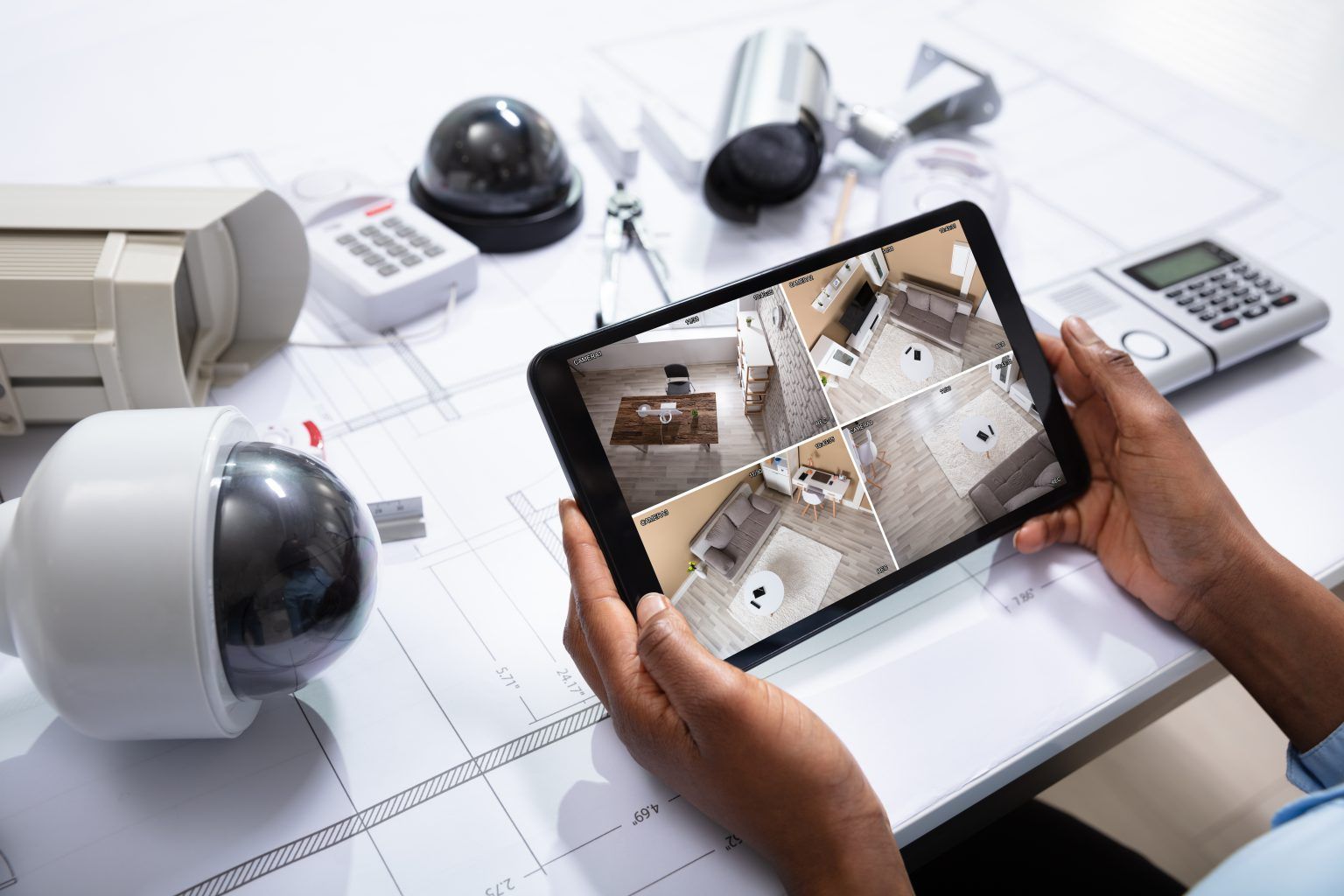
Yes, access control systems can and should be integrated with security cameras and alarm systems. This integration creates a unified security platform where hardware communicates in real-time. For example, when an unauthorized badge is swiped, the system can automatically trigger a nearby camera to record and alert the central alarm monitoring station immediately.
That is the short answer. In practice, moving away from "siloed" systems—where cameras and door locks operate independently—allows for a much more proactive security posture. Modern technology enables these different components to "talk" to one another through a centralized software interface.
How Integrated Access Control Functions
When you integrate access control with video surveillance and alarms, you transition from simple "locked doors" to an intelligent environment. This matters because it provides a visual audit trail for every entry event.
The key thing to understand is how the components interact:
- Visual Verification: When a door is opened, the integrated system "tags" the video feed at that exact timestamp, making it easy to find footage later.
- Immediate Alerts: If a door is forced open, the alarm system triggers while the cameras automatically zoom in on the point of entry.
- Remote Management: Most unified systems allow you to lock doors or view live feeds from a single mobile app or web portal.
Benefits for Residential and Commercial Properties
For many businesses and homeowners, the primary advantage is the reduction of "false positives." If an alarm goes off, you can immediately check the camera feed to see if it was a false trigger or a genuine security breach.
Common integrated solutions include:
- Keyless Entry: Using mobile credentials or fobs instead of physical keys.
- CCTV Monitoring: High-definition video surveillance that records 24/7 or based on motion.
- Network Cabling Infrastructure: Using Category 5e, Category 6, or Fiber Optics to ensure high-speed communication between devices.
- Fire and Security Monitoring: Ensuring that in the event of a fire, access control doors automatically fail-safe (unlock) for a quick exit.
Implementation Steps
If you are considering upgrading your security, here is a typical workflow for a professional installation:
- Site Assessment: Evaluating all entry points and high-risk areas.
- Design Phase: Choosing between Fiber Optics or standard cabling based on the distance between devices.
- Hardware Selection: Matching high-quality cameras and alarm sensors to your specific property size.
- Configuration: Setting up the software so that alarms, cameras, and door locks are synchronized.
Limitations and Considerations
While integration is highly effective, it is important to note that legacy or "analog" equipment may not always be compatible with modern cloud-based software. In some cases, older wiring may need to be replaced with Category 6 or Fiber Optics to support the bandwidth required for high-definition video. Additionally, system performance relies heavily on a stable network and professional monitoring services to be truly effective.
If you’re trying to understand how to best protect your property,
First Solutions Inc . is here to help. We provide residential and commercial solutions of all sizes across Sacramento County, Placer County, El Dorado County, and throughout Northern California. Whether you need a new design, expert installation, or reliable service for your fire and security alarm systems, our team is ready to assist. Contact First Solutions Inc. today at (916) 649-0479 to discuss a high-quality solution that fits your specific needs.
Here Are Some Other Frequently Asked Questions:
Q: Can I manage my integrated security system from my phone?
A: Yes. Most modern integrated systems offer mobile applications that allow you to view cameras, lock or unlock doors, and arm or disarm your alarm system remotely.
Q: What happens to my access control if the power goes out?
A: Professional installations include battery backups. Depending on the configuration, doors are set to either "fail-secure" (stay locked) or "fail-safe" (unlock, typically for fire safety) during a power loss.
Q: Do I need special wiring for an integrated system?
A: Integrated systems usually require high-quality network cabling, such as Category 5e, Category 6, or Fiber Optics, to ensure all components can communicate without lag.
Q: Can I add cameras to an existing access control system?
A: In many cases, yes. However, it depends on whether your existing system controller supports integration with video management software (VMS).
Editorial Note:
This article is based on industry-standard practices for physical security and electronic integration as documented by organizations like the Security Industry Association (SIA). For specific local code compliance regarding fire alarms and life safety, always consult with a licensed security professional in your jurisdiction.