
Choosing the right number of security cameras depends on your property size, layout, and risk level. This guide breaks it down in simple terms so you can make a confident, cost-effective decision.
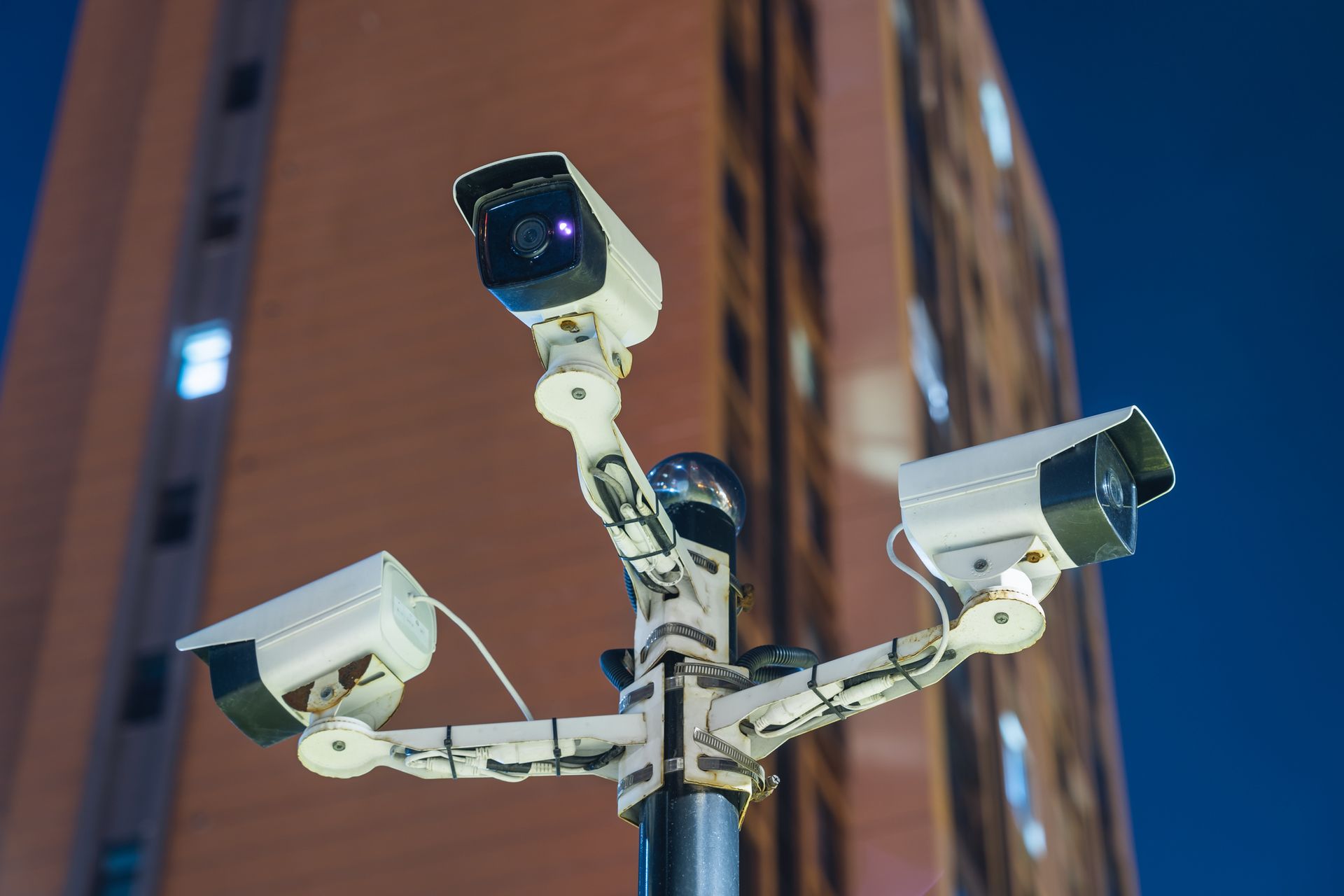
The number of security cameras your property needs depends on factors like square footage, entry points, blind spots, and security goals; most homes need 4 to 8 cameras, while small to mid-sized businesses often require 8 to 16 or more for full coverage and effective monitoring.
There is no one-size-fits-all number. A small home may only need a few well-placed cameras, while a larger property or commercial building will need broader coverage. The goal is not just quantity, but strategic placement that eliminates blind spots and protects key areas.
Key Factors That Determine How Many Cameras You Need
1. Property Size and Layout
Larger properties naturally require more cameras. A single-story home with a simple layout needs fewer cameras than a multi-level property or large commercial facility.
General guideline:
- Small homes: 4 to 6 cameras
- Medium homes: 6 to 10 cameras
- Large homes or estates: 10 or more cameras
- Commercial properties: 8 to 20+ depending on size
2. Entry Points and Access Areas
Every door and accessible window is a potential entry point.
Focus on:
- Front and back doors
- Garage entrances
- Ground-level windows
- Side gates or alley access
Covering these areas is often the most effective baseline for security.
3. High-Risk and High-Value Areas
Some areas deserve extra attention due to risk or value.
Examples include:
- Driveways and parking areas
- Cash handling locations
- Server rooms or IT spaces
- Inventory storage areas
4. Blind Spots and Visibility Gaps
Even with multiple cameras, poor placement can leave vulnerabilities.
Professional planning ensures:
- Overlapping coverage
- No hidden angles
- Clear visibility at night and in low light
5. Indoor vs Outdoor Coverage
A balanced system includes both.
- Outdoor cameras deter crime and capture activity before entry.
- Indoor cameras monitor movement and provide evidence if a breach occurs.
Recommended Camera Setups by Property Type
Residential Properties
Most homeowners benefit from:
- 1 front door camera
- 1 backyard camera
- 1 driveway camera
- 1 to 2 indoor cameras
This setup provides strong baseline protection without overcomplicating the system.
Commercial Properties
Businesses often require more detailed coverage, including:
- Entry and exit points
- Reception or customer areas
- Hallways and corridors
- Storage and restricted areas
- Parking lots
Larger facilities may also need advanced monitoring and integration with access control systems.
Why Custom Design Matters
Every property is unique. A generic camera count can lead to:
- Overpaying for unnecessary equipment
- Missing critical coverage areas
- Inefficient system performance
Custom solutions ensure your system matches your exact needs, whether you need residential security systems, commercial security solutions, or video surveillance systems like CCTV.
Local Security Considerations in Northern California
Properties across Sacramento, Elk Grove, Roseville, Rocklin, Arden-Arcade, Citrus Heights, Folsom, Rancho Cordova, Vineyard, Carmichael, Antelope, North Highlands, Florin, Fair Oaks, Rio Linda, Elverta, and El Dorado Hills face varying security challenges.
Urban areas may require more coverage due to higher traffic, while suburban and rural properties often need wider perimeter monitoring.
Serving Sacramento County, Placer County, El Dorado County, and all of Northern California, tailored security planning ensures your system fits both your environment and your risk level.
Complete Security Goes Beyond Cameras
A strong system often includes more than just surveillance:
- Access control systems and keyless entry
- Fire alarm and security alarm systems
- Alarm monitoring services
- Network and fiber optic cabling infrastructure
Combining these elements creates a layered, more effective security strategy.
Get a Custom Security Assessment
If you want a precise answer for your property, the best step is a professional evaluation.
Contact First Solutions Inc.
at (916) 649-0479
today to design a custom security system that fits your property, your risks, and your budget.
Here Are Some Other Frequently Asked Questions:
Q: How do I know if I have enough cameras?
A: If there are no blind spots and all entry points are covered, your system is likely sufficient. A professional assessment can confirm this.
Q: Is it better to have more cameras or better placement?
A: Better placement always matters more. Fewer well-positioned cameras outperform poorly placed systems.
Q: Do security cameras reduce crime?
A: Yes. Visible cameras act as a strong deterrent and significantly reduce the likelihood of criminal activity.
Q: Can I install cameras myself?
A: DIY systems are possible, but professional installation ensures optimal placement, wiring, and long-term reliability.
Q: How often should security systems be updated?
A: Most systems should be reviewed every 2 to 5 years to keep up with technology and changing security needs.