
A professionally installed network cabling system can improve speed, reliability, scalability, and long-term performance for both homes and businesses. This guide explains why expert installation matters and how professional cabling services help protect your technology investment.
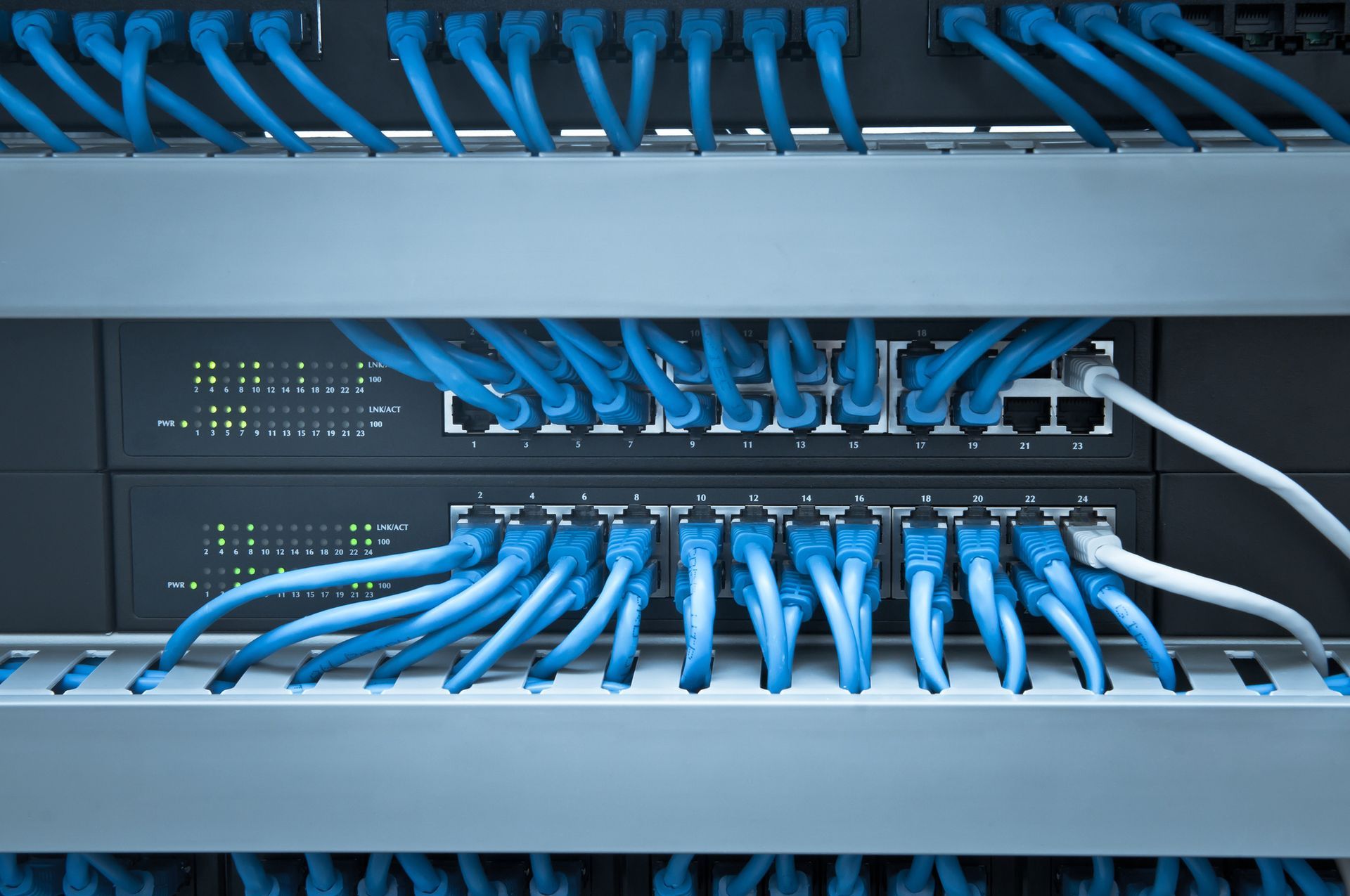
Professional computer network cabling installation ensures your home or business receives a reliable, organized, high-performance network that supports current and future technology needs while reducing downtime, troubleshooting costs, and safety risks. Proper installation also helps maximize internet speeds, device connectivity, and long-term system reliability.
Whether you are setting up a new office, upgrading your home network, or expanding a commercial property, the quality of your network cabling directly affects your daily operations. Poorly installed cabling can lead to slow speeds, signal interference, network outages, and expensive repairs later.
Hiring a professional network cabling installer helps ensure your system is designed correctly from the beginning. Experienced technicians understand how to plan cable routes, minimize interference, meet code requirements, and install structured cabling systems that can grow with your needs.
Why Professional Network Cabling Installation Matters
Many property owners assume network cabling is as simple as running wires through walls. In reality, a dependable network requires careful planning, testing, and proper installation methods.
Professional installers help with:
- Proper cable management and labeling
- Faster and more reliable network performance
- Reduced signal interference
- Scalability for future devices and upgrades
- Compliance with local building and safety codes
- Cleaner and more organized installations
- Reduced maintenance and troubleshooting costs
A professionally designed cabling infrastructure also supports modern technologies such as cloud computing, smart security systems, VoIP phone systems, wireless access points, and video surveillance systems.
The Risks of Poor Network Cabling Installation
Improperly installed cabling can create problems that are difficult and expensive to fix later. Common issues include:
Slow Network Speeds
Low-quality installations can cause bottlenecks, unstable connections, and inconsistent performance.
Signal Interference
Incorrect cable placement near electrical systems can create electromagnetic interference that disrupts data transmission.
Future Upgrade Challenges
Messy or outdated cabling makes future expansions and troubleshooting much more difficult.
Increased Downtime
Network interruptions can negatively affect productivity, communication, and security systems.
Safety Concerns
Improper cable installation may violate local building codes or create fire hazards.
Benefits of Structured Cabling Systems
Structured cabling creates an organized network infrastructure that supports multiple systems from a centralized design.
This approach benefits both residential and commercial properties by supporting:
- Computers and internet connectivity
- Video surveillance systems
- Security alarm systems
- Access control systems
- Keyless entry systems
- Smart home technology
- Voice communication systems
- Fire alarm monitoring systems
Professionally installed structured cabling systems are easier to maintain, upgrade, and troubleshoot over time.
Types of Network Cabling Solutions
Different properties require different cabling solutions depending on bandwidth demands, building size, and future expansion plans.
Category 5e Cabling
Category 5e cabling is commonly used for standard networking applications and supports reliable internet and data transmission for many homes and small businesses.
Category 6 Cabling
Category 6 cabling supports higher speeds and improved performance, making it ideal for businesses, video surveillance systems, and high-bandwidth environments.
Fiber Optic Cabling
Fiber optic cabling provides extremely fast data transmission over longer distances and is often used for enterprise networks, large facilities, and advanced communication systems.
Residential Network Cabling Benefits
Modern homes rely heavily on connected technology. Professional network cabling installation can improve:
- Home office connectivity
- Smart home device performance
- Streaming reliability
- Online gaming performance
- Security camera connectivity
- Whole-home Wi-Fi coverage
Professional installation also helps eliminate unsightly exposed wires and unreliable wireless dead zones.
Commercial Network Cabling Benefits
Businesses depend on reliable connectivity for daily operations. Professionally installed cabling systems support:
- Faster communication
- Improved productivity
- Reliable cloud access
- Security system integration
- Better scalability
- Reduced operational disruptions
Commercial properties often require advanced planning to support future growth, employee expansion, and increased technology demands.
Integrated Security and Cabling Solutions
Network cabling is often connected to other important building systems. Professional installers can integrate:
Video Surveillance Systems
CCTV and video surveillance systems require dependable network infrastructure for recording, remote access, and monitoring.
Access Control Systems
Keyless entry and access control systems rely on stable network communication for secure property access.
Fire and Security Alarm Systems
Integrated alarm systems require reliable connectivity for monitoring and emergency response communication.
Smart Security Solutions
Custom security solutions can combine surveillance, alarms, access control, and networking into a unified system.
Local Network Cabling and Security Services in Northern California
Property owners throughout Northern California benefit from professional network cabling and integrated security solutions. Services are available across:
- Sacramento
- Elk Grove
- Roseville
- Rocklin
- Arden-Arcade
- Citrus Heights
- Folsom
- Rancho Cordova
- Vineyard
- Carmichael
- Antelope
- North Highlands
- Florin
- Fair Oaks
- Rio Linda
- Elverta
- El Dorado Hills
Professional services throughout Sacramento County, Placer County, El Dorado County, and surrounding Northern California communities help homeowners and businesses maintain dependable connectivity and security infrastructure.
What to Look for in a Professional Network Cabling Company
When choosing a network cabling provider, consider companies that offer:
- Experience with residential and commercial systems
- Structured cabling expertise
- Fiber optic installation capabilities
- Security system integration
- Proper testing and certification
- Ongoing service and maintenance
- Scalable network solutions
A qualified provider should also understand how to design systems that support both current and future technology requirements.
Conclusion
Hiring a professional to install your computer network cabling helps ensure long-term reliability, better performance, and easier future upgrades. Whether you need residential networking, commercial structured cabling, fiber optic installation, CCTV integration, or security system connectivity, professional installation can save time, reduce frustration, and protect your investment.
Well-designed cabling infrastructure creates the foundation for dependable communication, security, and productivity across your entire property.
Need professional network cabling or integrated security solutions in Northern California? Contact First Solutions Inc. today at (916) 649-0479 to learn more about custom security systems, CCTV installation, access control systems, fire alarm solutions, and structured network cabling services for residential and commercial properties.
Ready to learn more? Read: Does Anyone in Northern California Offer Both Installation and Ongoing Monitoring for Security Systems? Here's who can help!
Frequently Asked Questions
Q: How long does professional network cabling installation take?
A: Installation timelines depend on the property size, building layout, and complexity of the system. Small residential projects may take a day, while larger commercial installations can require several days or longer.
Q: Is Category 6 cabling better than Category 5e?
A: Category 6 cabling generally supports faster speeds and improved performance compared to Category 5e. It is often recommended for businesses and high-bandwidth environments.
Q: Can network cabling support security systems?
A: Yes. Network cabling is commonly used to support CCTV systems, access control systems, alarm systems, and smart security technologies.
Q: Why is fiber optic cabling important?
A: Fiber optic cabling supports extremely fast data transmission and greater bandwidth over long distances, making it ideal for advanced business networks and large properties.
Q: Can professional cabling improve Wi-Fi performance?
A: Yes. Properly designed network infrastructure can improve wireless access point placement and reduce dead zones throughout a property.